WINTER 2026-7
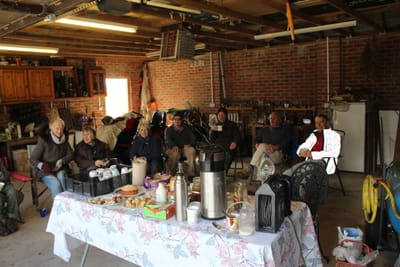
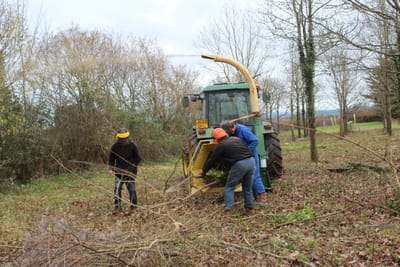
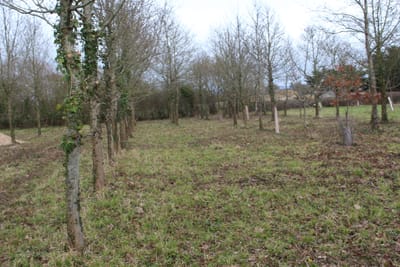
Many thanks then to the volunteers and also to those who contributed to our Aviva campaign - thanks to that and the generous grant from the SRA for tree maintenance the bank balance is much healthier!
There are plenty of ways of spending it vying with each other -basic costs to be met - insurance, hedge laying and trimming, tree felling etc. (our volunteers do much for no financial reward but are not able to do everything needed); and we would also like to organise some coppicing, badly needed for our mature hazels. and some "open days" on site.
Perhaps it should be mentioned here that the CWCT land is privately owned by the Trust and managed for the trees and wildlife. There is a public footpath across the site but if members of the public do wander elsewhere it is at their own risk. We particularly ask people to keep dogs on leads when on Trust property as we are encouraging the wildlife that lives in the long grass during the summer. Deer are regulars and we had nesting pheasants last year.
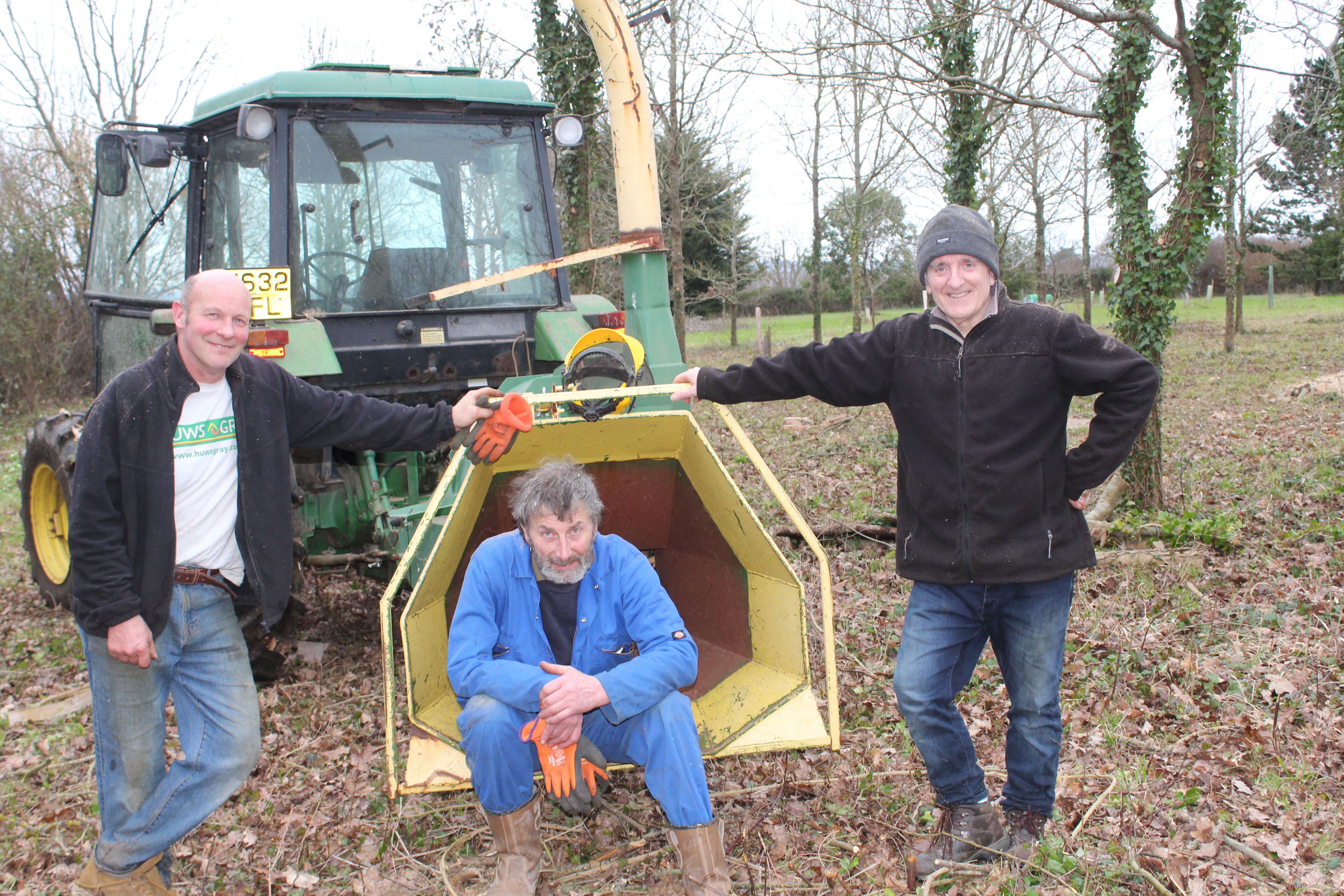 The clearing team
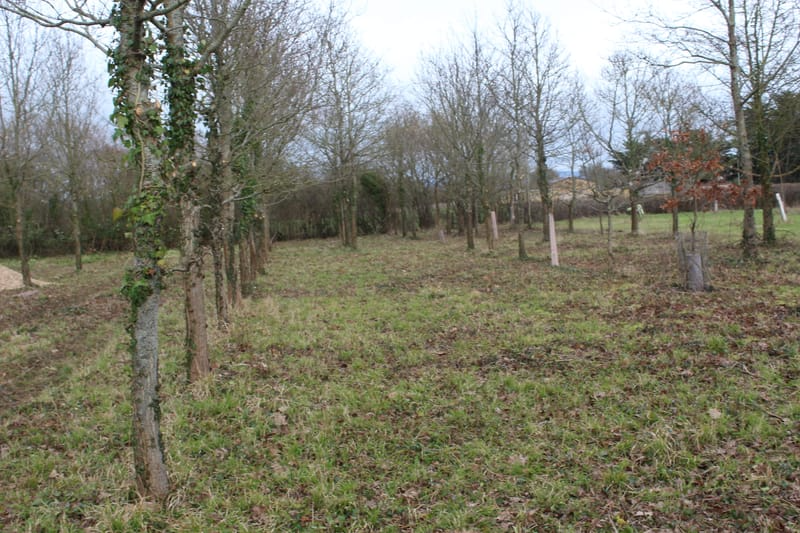 Result! The cleared land
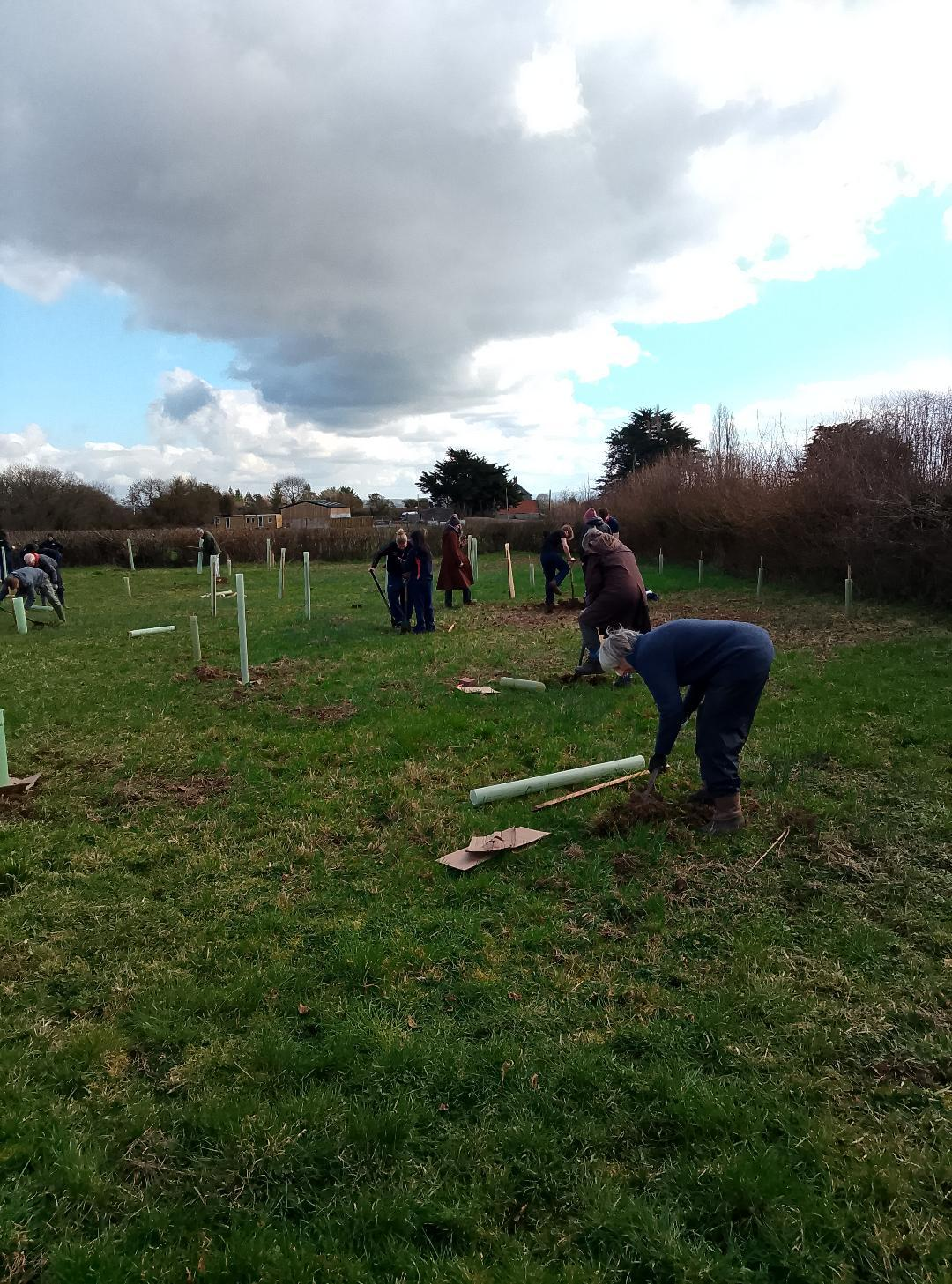 Volunteers at work
One major initiative in 2026 was the Butterfly Survey. Those who attended our AGM in January heard a very interesting talk by Fred Giles of RoAM. He inspired us to set up a butterfly transect to be monitored every week from April to the end of September . A loyal band of volunteers took on the challenge and enjoyed learning about our native butterflies and walking the transect which started at the Trust gate, followed round the edge of the newly planted land back to the gate. Then along the drove by the Trust hedge, through the little wood, a ploughed field or so and on to Red Hill. Briefly down the road to the footpath across Heale House parkland to finish at Water Street. And of these sections which has the largest number and greatest diversity of butterflies? Yes, you've got it - the Trust land. Particularly the area adjacent to the mature wood where there are brambles and long grass. Peter has written more about this - find his blogs at:/peter-s-blog/butterfly-transect-results